
If you’re managing a business in Australia, understanding what is included in a commercial cleaning contract is essential. A proper contract ensures expectations are clear, pricing is transparent, and both you and the cleaning provider understand the scope of work. Hour People helps businesses identify the key services and terms that make a contract comprehensive and reliable.
Core Services Typically Included
A commercial cleaning contract usually covers a standard set of tasks tailored to your premises. These are designed to maintain hygiene, safety, and a professional appearance. Common inclusions are:
- Daily Cleaning: Tasks such as vacuuming, dusting, trash removal, and sanitising high-touch areas.
- Restroom Maintenance: Cleaning toilets, sinks, mirrors, and replenishing soap, paper towels, and toilet paper.
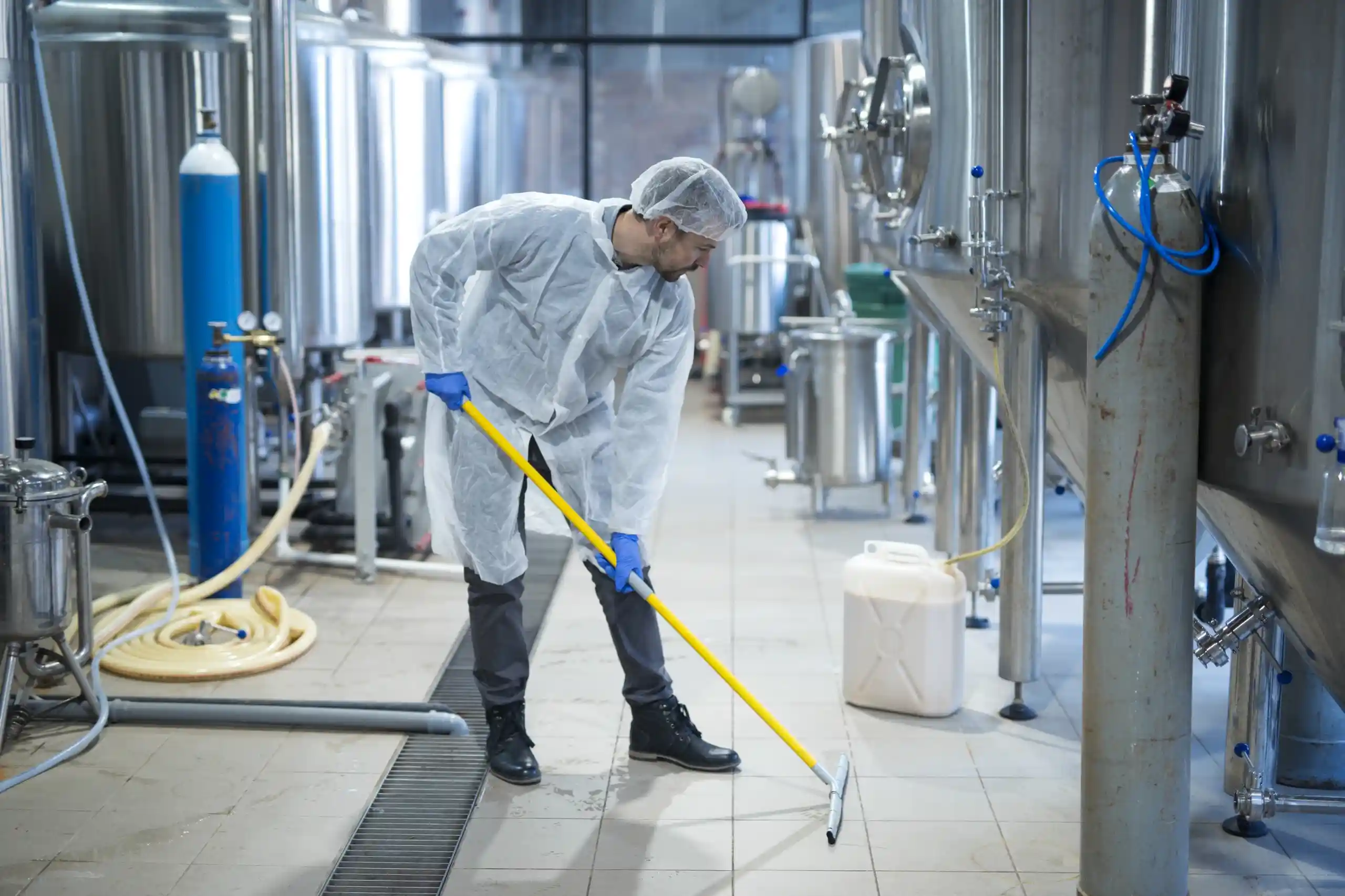
- Floor Care: Sweeping, mopping, polishing hard floors, and vacuuming carpets based on the property’s flooring type.
- Kitchen and Break Areas: Wiping counters, sanitising sinks, and cleaning shared appliances.
- Windows and Glass Surfaces: Internal windows and glass doors are usually cleaned on a scheduled basis.
Including these services in the contract ensures consistent standards are maintained and reduces the risk of disputes over overlooked areas.
Optional or Additional Services
Many commercial cleaning contracts offer optional services that can be added for extra fees or included in customised plans:
- Deep Cleaning: Intensive cleaning of kitchens, bathrooms, and high-traffic areas.
- Carpet Shampooing or Floor Polishing: Often performed monthly or quarterly depending on wear.
- Waste Management: Including recycling, disposal of hazardous materials, and safe removal of office rubbish.
- Specialised Sanitisation: COVID-19 or other infection control cleaning as required.
- Event Cleaning: Pre- and post-event cleaning for offices, conferences, or corporate functions.
Understanding what falls under the base service versus optional services helps you budget effectively.
Key Contract Terms to Review
A cleaning contract is more than a checklist of services; it also defines obligations, liability, and quality expectations. Key terms to review include:
- Frequency and Timing: Clarifies how often and when cleaning occurs, such as daily, weekly, or fortnightly.
- Duration and Termination: Outlines contract length, renewal options, and notice periods.
- Liability and Insurance: Ensures the provider is responsible for damages or incidents on site.
- Pricing and Payment Terms: Covers base rates, extra charges, and invoicing schedules.
- Quality Standards: Specifies cleanliness expectations, inspection procedures, and reporting for missed tasks.
Reviewing these terms protects your business and ensures a professional service provider meets expectations.
Factors That Can Affect Costs
The cost of a commercial cleaning contract varies depending on property size, service type, and location. Factors include:
- Property Size and Layout: Larger offices or retail spaces require more time and staff.
- Frequency of Cleaning: Regular services often offer lower hourly rates than one-off cleaning sessions.
- Level of Cleaning Required: Routine cleaning costs less than deep cleaning or sanitisation.
- Location: Urban areas may have higher labour costs compared to regional locations.
- Additional Services: Optional tasks like carpet cleaning, window washing, or event cleaning may increase fees.
Having clarity on these factors helps businesses plan their budget and avoid unexpected expenses.
When to Call a Professional
Even with clear expectations, professional cleaners bring expertise and efficiency that is hard to achieve in-house. You should consider hiring a commercial cleaning provider when:
- Your workplace has high foot traffic requiring frequent cleaning.
- You need specialised sanitisation or compliance with Australian hygiene standards.
- Deep cleaning is needed periodically to maintain floors, carpets, or kitchen areas.
- You want to focus on running your business rather than managing cleaning staff and schedules.
Hour People’s team provides professional cleaning across Australia, covering all standard and specialised tasks outlined in commercial contracts.
Tips for Ensuring a Clear Contract
A well-written contract reduces misunderstandings. Consider these tips:
- Detail Every Service: Ensure daily, weekly, and optional tasks are clearly listed.
- Specify Frequency: State how often each area or task will be cleaned.
- Clarify Responsibilities: Include supply provisions, staff supervision, and reporting procedures.
- Confirm Pricing Structure: List base rates, overtime charges, and optional service fees.
- Include Review Clauses: Schedule regular inspections or reviews to confirm standards are met.
These precautions make your commercial cleaning contract transparent and enforceable.
Conclusion
Knowing what is included in a commercial cleaning contract helps Australian businesses make informed decisions. Standard services usually cover daily cleaning, restrooms, floors, kitchens, and internal windows, while optional services include deep cleaning, carpet care, and sanitisation. Reviewing contract terms for frequency, pricing, and liability ensures smooth operations. Hour People provides tailored commercial cleaning contracts that clearly outline all services, giving businesses confidence in a clean, safe, and well-maintained workplace.
FAQ
Q1: Are cleaning supplies included in a commercial contract?
Many providers bring their own supplies, but confirm in the contract to avoid extra charges.
Q2: How often are services scheduled?
Frequency varies—daily, weekly, or monthly cleaning is common depending on the business type.
Q3: Can I add services after signing?
Yes, contracts often allow amendments for extra tasks like deep cleaning, carpet care, or event support.
Q4: What happens if a task is missed?
Contracts usually outline reporting procedures, ensuring missed tasks are corrected promptly.