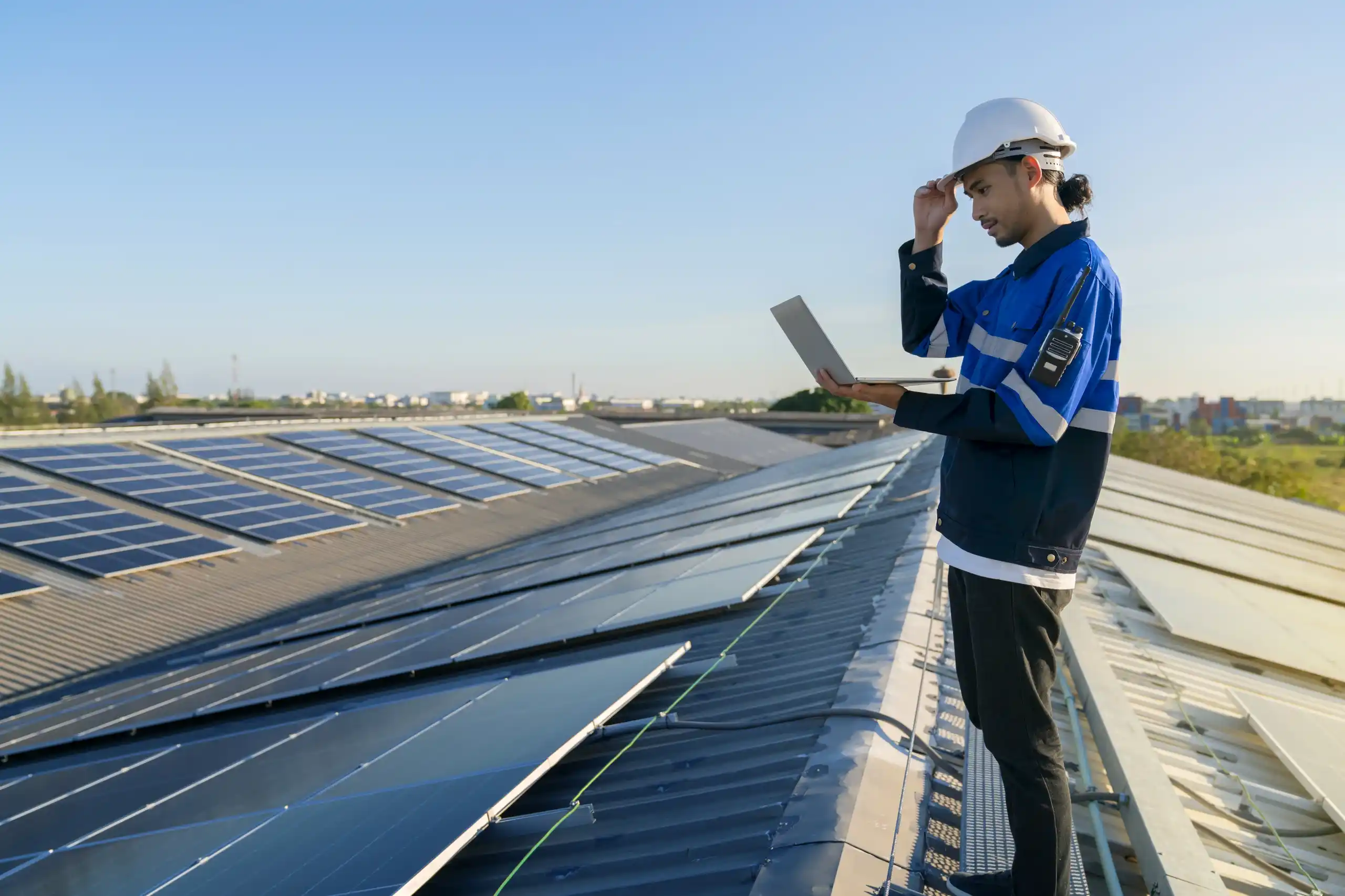
Solar panels are designed to operate outdoors, but dust, pollen, bird droppings and other debris can accumulate on their surfaces over time. Although rainfall may remove some dirt naturally, stubborn deposits can remain and affect how much sunlight reaches the panels. Knowing when cleaning is necessary can help homeowners maintain their solar systems responsibly.
If you own a home, rental property or commercial building in Mount Gambier, you may be wondering whether DIY solar panel cleaning is worth attempting or whether hiring a professional is the better option. Both approaches have potential advantages, but safety, roof access, equipment and the condition of your panels should influence your decision.
A solar panel cleaning service can be a practical option when panels are difficult to reach or require more attention than you can safely provide yourself. However, professional cleaning is not automatically necessary for every installation. The right choice depends on the amount of dirt present, the manufacturer’s maintenance instructions and the risks involved.
This guide compares DIY and professional solar panel cleaning to help you make an informed decision without overlooking safety or unnecessary expenses.
Why Solar Panel Cleaning Matters
Solar panels convert sunlight into electricity. When dirt or debris covers part of their surface, less sunlight may reach the photovoltaic cells, potentially affecting electricity generation.
Common sources of solar panel soiling include:
- Dust and airborne particles that settle during dry weather.
- Pollen from nearby trees and vegetation.
- Bird droppings that remain on the glass.
- Leaves, twigs and other organic debris.
- Muddy residue, particularly where water collects or evaporates.
The effect of dirt varies considerably. A light coating of dust may have little practical impact, while stubborn deposits or localised obstructions may be more significant. Panel angle, rainfall, surrounding vegetation, roof design and the type of debris all influence how quickly surfaces become dirty.
Panels installed at an angle may benefit from natural cleaning through rainfall, although additional cleaning may be necessary in dusty locations. The manufacturer’s maintenance instructions should guide any cleaning decisions.
Before booking a solar panel cleaning service, check whether there is visible soiling or another reason to suspect that cleaning is required. If your inverter monitoring shows an unexpected drop in generation, remember that dirt is only one possible cause. Shading, equipment faults and other system issues may also contribute.
Cleaning should form part of sensible solar panel maintenance rather than become an unnecessary recurring expense.
What Is DIY Solar Panel Cleaning?
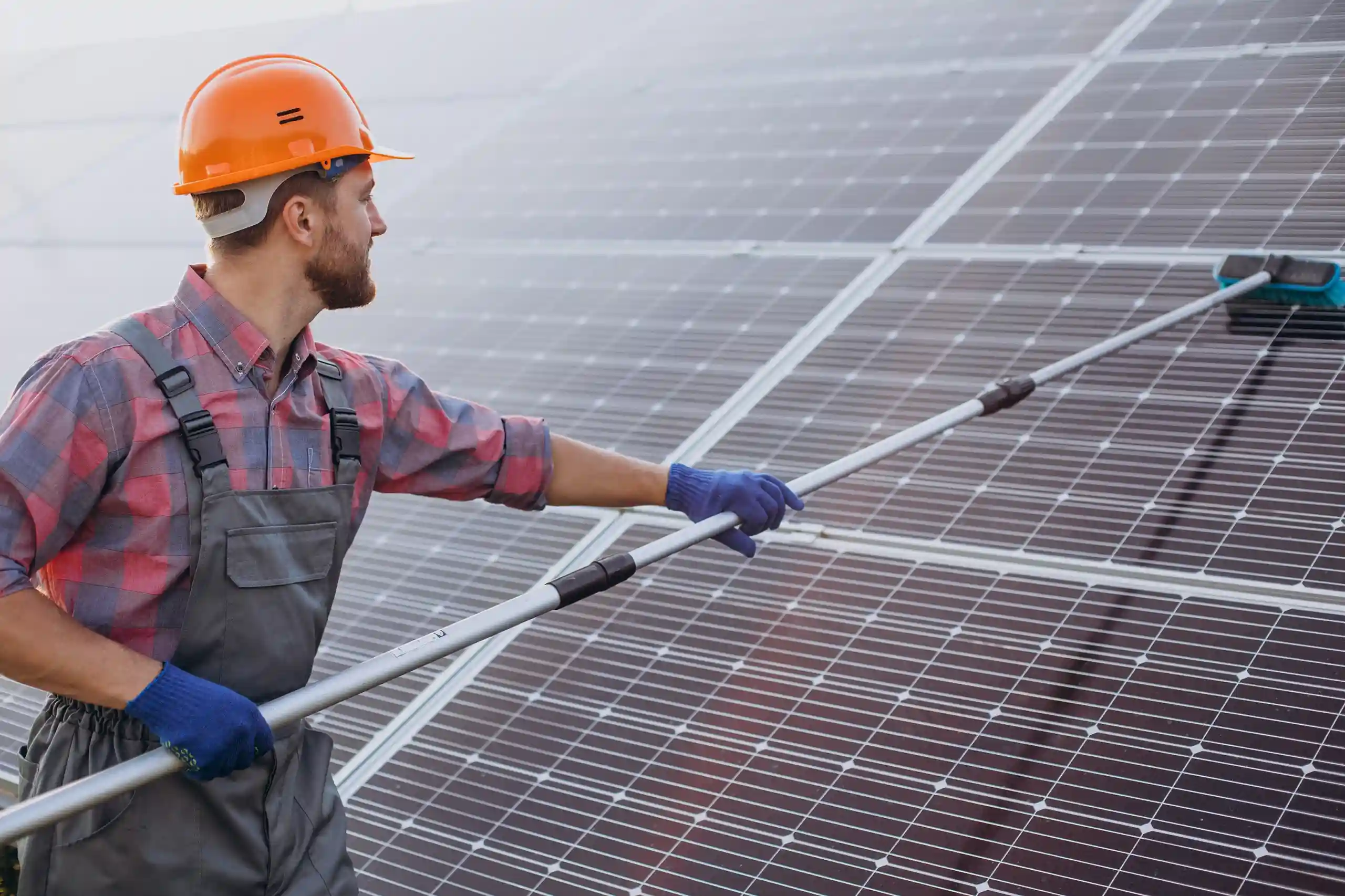
DIY solar panel cleaning involves the property owner attempting to remove dirt from the panels without hiring an external cleaning provider.
Some homeowners consider this approach because they want control over the timing or wish to avoid paying a separate service fee. However, cleaning rooftop solar panels is different from washing windows or garden furniture. The panels may be elevated, exposed to electrical equipment and installed on a surface that becomes slippery when wet.
Before considering DIY cleaning, read the manufacturer’s instructions and determine whether any cleaning can be carried out safely from ground level. Never climb onto the roof or handle electrical components simply to remove dirt.
Advantages of DIY Solar Panel Cleaning
The main attraction of DIY cleaning is flexibility. You can decide when to address visible debris and avoid arranging a separate appointment.
Where the manufacturer’s guidance permits it, light debris that can be reached safely from the ground may sometimes be dealt with using an appropriate method. This may reduce the need for a paid visit in straightforward circumstances.
DIY maintenance can also help you become more familiar with your system’s visible condition. For example, you may notice leaves collecting near the array or shading caused by nearby vegetation.
However, checking panels from the ground is not the same as conducting a technical inspection. Electrical testing, repairs and work involving damaged components should be left to appropriately qualified professionals.
Disadvantages and Risks of DIY Cleaning
The apparent savings from DIY cleaning may not justify the risks when panels are installed on a roof.
Falls and unsafe access: Roofs can be steep, slippery and difficult to navigate. Ladders also introduce risks, particularly when a person is carrying cleaning equipment or handling a hose. Safe Work Australia identifies working at heights as a high-risk activity and recommends eliminating or controlling fall hazards wherever reasonably practicable.
Electrical hazards: Solar installations contain wiring, connectors, isolators and other electrical equipment. Water exposure, damaged components and incorrect handling can create additional hazards. Do not touch cables, connectors or electrical parts during cleaning.
Potential panel damage: Abrasive brushes, scourers, unsuitable detergents and excessive water pressure can damage surfaces or components. Even if the glass looks durable, it is important to follow the panel manufacturer’s cleaning instructions.
Incorrect cleaning methods: Using the wrong water temperature, cleaning during unsuitable weather or applying chemicals without checking compatibility may create avoidable problems.
Equipment and time: Suitable tools, access arrangements and cleaning supplies may cost money. If safe access requires specialist equipment, DIY cleaning may be neither economical nor practical.
A professional solar panel cleaning service may be the more sensible choice when safe access is difficult or when you lack the appropriate equipment and experience.
What Does Professional Solar Panel Cleaning Involve?
Professional cleaning generally begins with understanding the installation rather than immediately washing the panels. The exact process varies according to the provider, property and system design.
A responsible provider should consider the following steps.
- Assessing the installation
The provider should establish the number and arrangement of panels, the roof height and pitch, the available access points, and the nature of the dirt. Visible damage or unsafe conditions should be raised before work proceeds.
- Planning safe access
The method of access should suit the property and the risks involved. A steep roof, fragile roofing material or difficult-to-reach array may require additional safety controls or specialist access arrangements.
- Selecting suitable equipment
Solar panel cleaning equipment should be appropriate for the installation and compatible with the manufacturer’s recommendations. Non-abrasive tools and suitable water-based methods may be appropriate, depending on the system instructions.
- Cleaning the panel surfaces
The cleaning method should address the type of soiling without introducing unnecessary pressure, chemicals or physical contact. Providers should avoid standing on panels or placing heavy equipment on them.
- Checking the visible result
After cleaning, the provider may check for remaining debris and visible concerns. However, ordinary cleaning does not automatically include electrical testing, system diagnostics or a comprehensive technical inspection. These services should be confirmed separately.
When comparing a solar panel cleaning service with a DIY approach, ask what is included in the quotation and how the work will be carried out.
DIY vs Professional Solar Panel Cleaning: Key Differences
Both approaches can involve cleaning the same panel surfaces, but the practical differences extend beyond the immediate cost.
| Comparison factor | DIY cleaning | Professional cleaning |
| Initial cost | May avoid a service fee, but supplies and equipment can cost money. | Involves a quoted service fee based on the job. |
| Safety | Depends on access, equipment and the homeowner’s ability to avoid hazards. | Should involve appropriate risk assessment and safe work practices. |
| Equipment | The homeowner must obtain suitable tools and follow manufacturer guidance. | Equipment depends on the provider, installation and cleaning method. |
| Time and effort | Requires preparation, cleaning and handling of supplies. | Reduces the homeowner’s direct involvement in the cleaning work. |
| Cleaning method | Requires careful adherence to manufacturer instructions. | The provider should select a compatible method for the installation. |
| Roof access | Can expose the homeowner to significant fall and access risks. | Access requirements should be assessed before work begins. |
| Suitability | May be considered for permitted, safely reachable light debris. | Often more appropriate for elevated, steep or difficult-to-reach panels. |
| Scope of work | Limited to tasks the owner can safely and appropriately perform. | Inclusions vary and should be confirmed in the written quotation. |
For a ground-level situation involving minor debris, limited maintenance may be straightforward if the manufacturer allows it. However, a solar panel cleaning service is often the more practical option when panels are high above the ground, heavily soiled or difficult to access safely.
The key is to compare the complete requirements of the job, not simply the apparent cost of the cleaning supplies.
How Much Does Solar Panel Cleaning Cost?
The cost of cleaning depends on the installation and the work required. There is no single price that applies to every property, so homeowners should request a quote based on their actual circumstances.
Several factors can influence the solar panel cleaning cost.
Number and size of panels: A larger array may require more work than a small residential installation. The panel arrangement and accessibility also affect the time and equipment required.
Roof height and accessibility: Panels installed on a single-storey property with straightforward access may present different requirements from panels on a steep or elevated roof.
Roof pitch and layout: Steep roof sections, awkward panel arrangements and restricted access can make the work more complex.
Amount and type of dirt: Light dust may require less attention than hardened bird droppings or persistent deposits. The appropriate method depends on the surface condition and manufacturer guidance.
Equipment and safety arrangements: Some properties may require specialist access equipment or additional controls to carry out the work safely.
Residential or commercial installation: Commercial arrays may involve a larger area, different access requirements or more complex scheduling.
Location and travel: The distance to the property and the availability of providers can affect the final quotation.
DIY cleaning is not necessarily free. Cleaning supplies, suitable tools, water and the time involved should be considered when comparing options. Attempting to save money should never mean accepting an unsafe method.
When requesting a solar panel cleaning service, ask for a clear quotation that explains the work included, any additional access charges and whether heavily soiled panels incur extra costs. Avoid choosing a provider based on an unusually low price without understanding the proposed method and safety arrangements.
When Should You Choose DIY Solar Panel Cleaning?
DIY maintenance may be worth considering only when the task is permitted by the manufacturer and can be completed without exposing you to unsafe access or electrical risks.
For example, if light debris can be addressed from a stable position on the ground, a suitable long-handled, soft-bristled tool may be appropriate where the manufacturer’s guidance allows it. The method must not require climbing a ladder, leaning over a roof edge or reaching into electrical equipment.
Even for simple maintenance, follow the instructions for your particular panel model. Different products may have specific requirements concerning water quality, cleaning materials and acceptable procedures.
Avoid the following practices:
- Climbing onto a roof without appropriate training, access arrangements and fall protection.
- Using abrasive brushes, scourers or unapproved cleaning chemicals.
- Directing high-pressure water at panels, connectors or electrical equipment.
- Cleaning hot panels with cold water when this could create thermal stress.
- Touching wiring, connectors, isolators or damaged system components.
- Ignoring the manufacturer’s instructions or warranty conditions.
The safest choice is to keep your feet on the ground and avoid tasks that require roof access. If the dirt cannot be removed safely from ground level, arrange suitable professional assistance instead.
A solar panel cleaning service is particularly worth considering when the potential risks of reaching the panels outweigh the convenience of doing the work yourself.
When Should You Hire a Professional Solar Panel Cleaning Service?
Professional assistance is generally more appropriate when the installation presents access challenges or the cleaning task requires equipment and experience you do not have.
Consider arranging a solar panel cleaning service if your panels are installed on a steep roof, positioned well above ground level or located where there is no safe way to reach them from the ground. These conditions can make DIY work unnecessarily hazardous.
Professional help may also be suitable when heavy deposits remain on the glass despite rainfall, or when a large installation would take considerable time and effort to clean. Commercial property owners and landlords may prefer to arrange work through a provider rather than attempt to manage the task themselves.
There are other circumstances in which professional advice is important. If you notice cracked glass, loose components, exposed wiring or signs of electrical damage, do not attempt to clean the affected area. Contact your solar installer or an appropriately qualified electrician to assess the issue.
Remember that cleaning and technical maintenance are different tasks. A solar panel cleaning service may remove dirt, but you should not assume that it includes electrical testing or repairs unless those items are specifically confirmed.
For property owners seeking solar panel cleaning in Mount Gambier, the best approach is to assess the installation first and obtain a quotation that reflects its access requirements and condition.
How Often Should Solar Panels Be Cleaned?
There is no universal cleaning schedule that suits every solar installation. Some panels receive enough natural cleaning from rainfall to remain reasonably clear, while others accumulate dirt more quickly.
The most useful starting point is the maintenance guidance supplied with your system. Your installer can also advise whether the location, panel angle and surrounding environment justify additional cleaning.
Consider the conditions around your property. A home near agricultural land, dusty roads or areas with frequent airborne particles may experience different levels of soiling from a property in a less exposed location. Nearby trees and bird activity can also contribute to localised deposits.
Long dry periods may allow dust to build up, while rain can remove some loose material. However, rainfall does not guarantee that every panel will remain clean, particularly when stubborn deposits are present.
Rather than booking cleaning automatically at a fixed interval, inspect your panels visually from a safe location and pay attention to any persistent deposits. If your system monitoring shows a change in generation, investigate the cause rather than assuming that dirt is responsible.
Regular solar panel maintenance should also account for issues that cleaning cannot resolve. Shading, damaged components and electrical faults may require attention from an appropriate professional.
A solar panel cleaning service should be scheduled when the condition of the installation, manufacturer’s recommendations and safe access requirements indicate that cleaning is appropriate.
How to Choose a Solar Panel Cleaning Provider in Mount Gambier
Choosing a provider involves more than comparing prices. You should understand how the work will be carried out, whether the provider can safely access your installation and what the quoted service actually covers.
Before booking a solar panel cleaning service, ask these questions:
What is included in the quotation? Confirm whether the quote covers all panels, the proposed cleaning method, difficult access and any additional charges.
How will the panels be accessed? Ask how the provider plans to manage the risks associated with roof height, pitch, fragile surfaces and nearby electrical equipment.
Which cleaning methods and tools will be used? The provider should explain how the proposed method follows the manufacturer’s instructions and avoids unnecessary abrasion or excessive water pressure.
Is the work appropriately insured? Ask whether the provider holds suitable public liability insurance for the work being undertaken. Request confirmation of relevant qualifications, training and safety arrangements where required.
Are there additional charges? Clarify whether heavily soiled panels, difficult access, specialist equipment or travel could change the quoted amount.
What happens if damage is noticed? Establish how the provider will document visible damage or unsafe conditions discovered before work begins, and whether cleaning will be postponed until the issue is assessed.
A suitable provider should be willing to explain the work clearly rather than make unsupported promises about electricity savings or system performance.
For homeowners and businesses in the Limestone Coast, local availability may also influence scheduling. However, choosing a nearby provider should not replace checking the scope, safety arrangements and suitability of the proposed cleaning method.
When comparing a solar panel cleaning service with another provider, evaluate the written quotation, access plan and included work together. This makes it easier to identify meaningful differences between offers.
Common Solar Panel Cleaning Mistakes to Avoid
Incorrect cleaning practices can create problems that outweigh any benefit from removing dirt. Understanding the common mistakes can help you decide whether the job is suitable for you.
Using abrasive tools: Scouring pads, hard brushes and unsuitable cleaning materials may scratch or otherwise damage panel surfaces. Use only methods permitted by the manufacturer.
Applying unsuitable chemicals: Household detergents and other cleaning products are not automatically appropriate for photovoltaic panels. Some products may leave residue or damage materials. Follow the manufacturer’s recommendations.
Using high-pressure washing: Excessive pressure can damage components or force water into vulnerable areas. Avoid pressure washers unless the specific manufacturer instructions explicitly permit the method and the work can be conducted safely.
Cleaning hot panels incorrectly: Applying cold water to very hot panels may create thermal stress. Follow the manufacturer’s temperature and timing guidance rather than cleaning during unsuitable conditions.
Taking unnecessary roof risks: Wet roof surfaces can become slippery, and panels may be difficult to reach safely. Do not climb onto the roof or use an unstable ladder to save the cost of professional help.
Ignoring visible damage: Cracks, loose fittings, damaged cables and other defects should not be treated as ordinary dirt. Keep away from damaged electrical equipment and arrange an assessment by an appropriately qualified professional.
The safest cleaning approach is one that follows the manufacturer’s instructions, avoids unnecessary physical contact and does not expose the property owner to preventable risks.
Final Verdict: DIY or Professional Solar Panel Cleaning?
The decision between DIY and professional cleaning depends on your installation, the type of dirt present, the available equipment and the safety of accessing the panels.
DIY cleaning may be reasonable for limited, permitted maintenance that can be carried out safely from ground level. It can offer flexibility, but it should not involve climbing onto the roof, touching electrical components or using unsuitable tools.
For elevated, steep or difficult-to-access installations, a solar panel cleaning service is often the more practical option. Professional assistance can reduce the need for homeowners to undertake risky work themselves, provided the provider uses appropriate methods and safety arrangements.
The cost should be considered alongside access requirements, equipment, time and the consequences of an unsafe cleaning attempt. Not every installation needs frequent cleaning, and no provider should guarantee a particular increase in electricity generation simply because the panels have been washed.
For homeowners, landlords, property managers and business owners, the best decision is an informed one based on the actual condition of the system and the manufacturer’s maintenance advice.
If you are unsure whether your panels need attention, start by reviewing the system documentation and checking for visible soiling from a safe location. Where professional assistance is appropriate, request a clear quotation and confirm the proposed scope before booking.
Considering your options in Mount Gambier? Contact Hour People to enquire about its available cleaning services and discuss your property’s requirements. Confirm directly with Hour People whether solar panel cleaning is currently available before making a booking.
A solar panel cleaning service should provide a suitable solution for the condition of your panels, not simply another routine expense.
Frequently Asked Questions About Solar Panel Cleaning
1. Is it better to clean solar panels yourself or hire a professional?
It depends on the installation and the safety requirements. DIY maintenance may be suitable for permitted tasks that can be completed safely from ground level. Professional cleaning is generally more appropriate for elevated, steep or difficult-to-access panels.
2. How much does a solar panel cleaning service cost in Mount Gambier?
The cost depends on the number of panels, roof height, accessibility, the amount of dirt and the equipment required. Request a quotation based on your property’s installation rather than relying on a general price estimate.
3. Can I clean solar panels with a garden hose?
Only if the panel manufacturer’s instructions permit the proposed method and it can be carried out safely from the ground. Avoid high-pressure water and never direct water at electrical equipment or damaged components.
4. Can rain clean solar panels sufficiently?
Rain may remove loose dust and some surface debris, particularly from angled panels. However, it may not remove bird droppings, stubborn deposits or all accumulated dirt. Additional cleaning should depend on the actual condition of the panels and manufacturer guidance.
5. How often should residential solar panels be cleaned?
There is no fixed schedule for every property. Cleaning frequency depends on local dust, pollen, bird activity, rainfall, panel angle and manufacturer recommendations. Inspect panels from a safe location and arrange cleaning when it is appropriate.
6. Can dirty solar panels reduce electricity generation?
Yes, accumulated dirt can reduce the amount of sunlight reaching the photovoltaic cells. The impact varies with the type and amount of soiling, panel design and environmental conditions. Cleaning does not guarantee a particular improvement in electricity generation.
7. Is it safe to walk on solar panels?
No. Solar panels should not be treated as walking surfaces. Walking on them can damage the panels and expose the person to serious injury. Use appropriate professional assistance for difficult access.
8. What equipment is suitable for solar panel cleaning?
The appropriate equipment depends on the panel manufacturer’s instructions and the installation. Non-abrasive tools and compatible cleaning methods may be suitable in some circumstances. Avoid unapproved chemicals, abrasive materials and excessive water pressure.
9. Does professional solar panel cleaning include electrical inspections?
Not necessarily. A standard cleaning service may cover surface cleaning and a visual check, but electrical testing, diagnostics and repairs are separate tasks unless specifically included. Confirm the scope before booking.
10. How do I choose a solar panel cleaning provider in Mount Gambier?
Ask about the cleaning method, safe access arrangements, insurance, equipment, service inclusions and additional fees. Confirm that the provider’s proposed approach follows the manufacturer’s instructions and that the service is available for your type of installation.