Maintaining cleanliness in hospitals is crucial for patient safety, staff efficiency, and infection control. Understanding how often should hospitals be professionally cleaned ensures compliance with health standards and reduces the risk of healthcare-associated infections. Hour People provides practical insights into cleaning schedules, frequency, and methods tailored to Australian hospitals and healthcare facilities.
The Importance of Regular Professional Cleaning
Hospitals are high-traffic environments with patients, staff, and visitors constantly moving through wards, waiting areas, and operating theatres. Regular professional cleaning is vital to:
- Reduce Infection Risks: Proper cleaning limits the spread of pathogens like MRSA, C. difficile, and influenza.
- Maintain Hygiene Standards: Ensures compliance with Australian healthcare regulations and accreditation requirements.
- Enhance Patient Confidence: Clean, well-maintained facilities improve patient perception and comfort.
- Protect Staff Health: Reduces exposure to contaminants and hazardous substances.
Without scheduled professional cleaning, hospitals risk contamination, outbreaks, and reputational damage.
Recommended Cleaning Frequency for Hospital Areas
The frequency of professional cleaning depends on the type of area and its risk level. Australian guidelines generally categorise hospital spaces as high, medium, or low risk.
High-Risk Areas
These include operating theatres, intensive care units (ICUs), and isolation rooms. Cleaning must occur:
- Multiple times per day with disinfectants and specialised equipment.
- After each procedure in operating theatres.
- Immediate cleaning after spills, contamination, or patient discharge in isolation units.
High-risk areas require meticulous attention to surfaces, floors, medical equipment, and touchpoints.
Medium-Risk Areas
These include general wards, treatment rooms, and emergency department waiting areas. Cleaning should occur:
- Daily or more frequently for high-traffic areas.
- Weekly deep cleaning of floors, carpets, and furniture.
- Immediate attention to spills, soiled linen, or body fluids.
Medium-risk zones benefit from regular monitoring and scheduled cleaning to maintain hygiene without disrupting patient care.
Low-Risk Areas
These include administrative offices, corridors, and staff break rooms. Cleaning typically occurs:
- Daily for shared touchpoints like door handles, light switches, and communal surfaces.
- Weekly or bi-weekly deep cleaning for floors, walls, and less frequently used areas.
Even low-risk areas require routine attention to prevent cross-contamination and maintain overall hospital hygiene.
Key Factors Influencing Cleaning Frequency
Several factors affect how often hospitals should be professionally cleaned:
- Patient Volume: High occupancy increases the need for frequent cleaning.
- Area Usage: Operating theatres and emergency rooms require more attention than administrative spaces.
- Type of Patients: Isolation or immunocompromised wards demand stricter cleaning schedules.
- Hospital Policies: Internal standards and accreditation requirements often dictate cleaning protocols.
- Type of Surfaces: High-touch areas like handrails, call buttons, and bed rails require more frequent disinfection.
Understanding these factors helps hospital managers design a cleaning schedule that aligns with both safety and operational efficiency.
Standard Tasks in Professional Hospital Cleaning
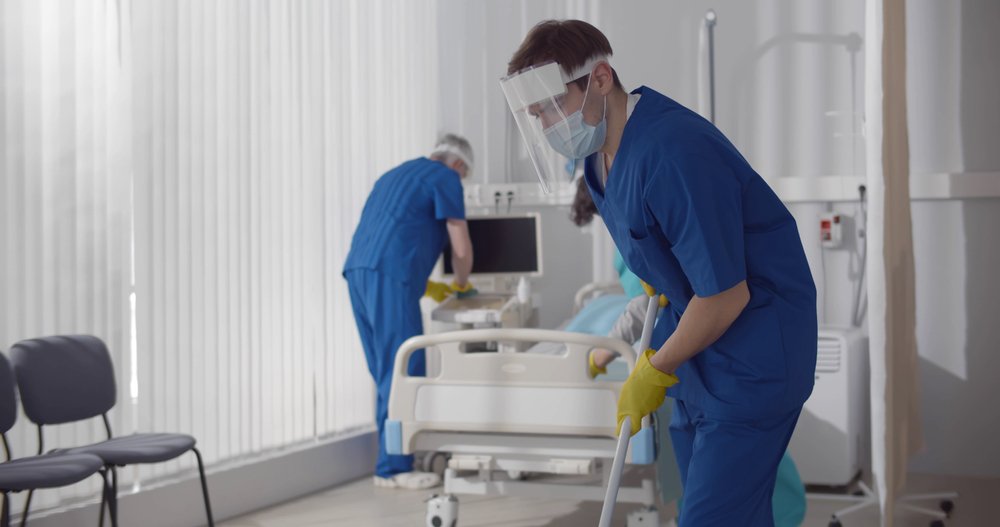
Professional hospital cleaning goes beyond surface tidying. Standard services include:
- Disinfection of High-Touch Surfaces: Bed rails, medical equipment, door handles, and call buttons.
- Floor Cleaning: Vacuuming and mopping with hospital-grade disinfectants.
- Bathroom and Toilet Sanitisation: Cleaning and disinfecting all surfaces including sinks, toilets, and floors.
- Patient Room Maintenance: Bed making, emptying bins, cleaning bedside tables, and removing soiled linens.
- Waste Management: Safe disposal of medical waste, sharps, and general rubbish.
Optional or specialised tasks may include carpet steam cleaning, window washing, and high-pressure cleaning for areas like kitchens or laundry rooms.
Best Practices for Hospital Cleaning
To maintain high standards, hospitals should adopt the following practices:
- Implement Zoning: Categorise areas by risk level and assign cleaning frequency accordingly.
- Use Hospital-Grade Products: Ensure disinfectants meet Australian healthcare regulations.
- Train Staff Thoroughly: Cleaning teams should understand infection control protocols and use personal protective equipment (PPE).
- Maintain Documentation: Record cleaning schedules and completed tasks for compliance audits.
- Regular Audits: Conduct inspections to verify cleanliness and identify areas for improvement.
These measures reduce infection risks and ensure consistent quality across all hospital zones.
When to Increase Cleaning Frequency
Even with a routine schedule, certain situations require immediate or extra cleaning:
- After infectious disease outbreaks.
- Following a patient discharge from isolation rooms.
- Spills of bodily fluids or hazardous substances.
- High-traffic events or increased visitor numbers.
Professional cleaning services like Hour People can adjust schedules to meet these needs promptly, ensuring patient safety is never compromised.
Conclusion
Knowing how often hospitals should be professionally cleaned is critical for maintaining hygiene, preventing infections, and meeting Australian healthcare standards. High-risk areas like ICUs and operating theatres require multiple cleanings per day, while medium- and low-risk areas follow daily or weekly schedules. Key tasks include disinfection of high-touch surfaces, floor care, patient room maintenance, and safe waste disposal. Following best practices and adjusting for outbreaks or high traffic ensures that hospitals remain safe, clean, and compliant. Professional services like Hour People provide tailored schedules, experienced staff, and hospital-grade products to keep healthcare facilities operating at optimal cleanliness levels.
FAQ
Q1: How often should high-risk hospital areas be cleaned?
High-risk areas, including operating theatres and isolation rooms, require cleaning multiple times per day and after every procedure.
Q2: Are administrative areas cleaned as frequently as wards?
No, low-risk areas like offices and corridors are usually cleaned daily for shared surfaces, with deep cleaning weekly or bi-weekly.
Q3: What products are used in professional hospital cleaning?
Hospital-grade disinfectants approved in Australia are used to ensure infection control compliance.
Q4: Can cleaning frequency be adjusted during outbreaks?
Yes, professional services can increase cleaning frequency in response to infectious disease outbreaks or other high-risk events.