

Moving out of a rental property should feel like the start of something new. Instead, it often ends with cardboard boxes everywhere, a fridge that needs one last clean and the sudden discovery that dust has been quietly collecting behind the washing machine for months.
For tenants in Mount Gambier, South Australia, getting the property ready for the final inspection means looking beyond the obvious surfaces. Floors may look spotless, but dirty window tracks, greasy rangehood filters and dusty skirting boards can still attract attention. That is why professional end of lease cleaning involves more than a quick vacuum and a wipe around the kitchen bench.
Why Are Small Cleaning Details Often Missed?
When you clean a home while living in it, everyday objects hide plenty of dirt. A sofa covers part of the floor, a toaster sits on the kitchen bench and bathroom products conceal soap residue around the basin. Once everything has been packed, these overlooked areas suddenly become much easier to see.
Time pressure is another problem. Tenants often leave cleaning until moving day, when the removal van is booked and keys need to be returned. The result is a rushed job that focuses on visible surfaces while small, less obvious areas are forgotten.
Professional end of lease cleaning takes a more systematic approach. Instead of cleaning whichever room looks dirtiest, work through the property from top to bottom, checking each surface and fixture. Compare the condition with the original property condition report, and pay attention to areas that were clean when the tenancy began.
Remember, the goal is to leave the property reasonably clean in line with the tenancy requirements and its original condition, allowing for fair wear and tear. It is not necessarily to make an older rental look brand new.
1. Oven Interiors, Trays and Rangehood Filters
The oven is one of the easiest places to underestimate. From the outside, the appliance may look perfectly presentable. Open the door, however, and baked-on grease, food crumbs and dark residue around the corners can tell a different story.
During professional end of lease cleaning, check the oven racks, trays, door glass, interior corners and the area around the seals. If the manufacturer’s instructions allow it, remove suitable components for separate cleaning. Use an appropriate product and avoid abrasive tools that could damage the finish.
The rangehood deserves equal attention. Grease can collect on its underside, around the controls and inside removable filters. A quick wipe across the visible front will not remove that build-up. Follow the manufacturer’s instructions for cleaning or replacing filters, and make sure components are completely dry before refitting them.
If the oven has not been cleaned for months, allow enough time for the correct cleaning product to work. Scrubbing harder is not always the answer; the wrong chemical or tool can cause damage.
2. Kitchen Cupboards, Drawers and Handles
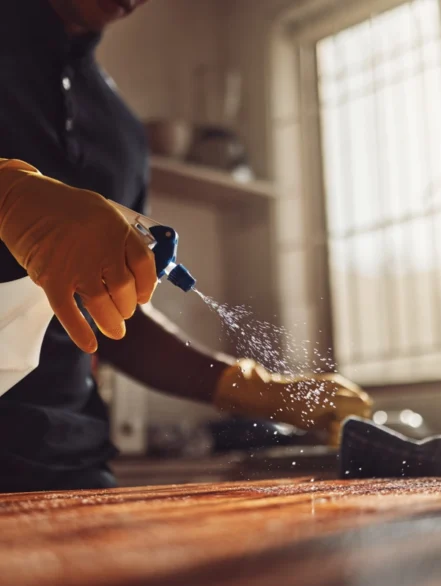
Kitchen benches attract most of the attention, but cupboards and drawers can be just as revealing during an inspection. Crumbs collect in corners, food residue sticks to drawer bases, and fingerprints build up around handles. The top edges of cupboard doors can also gather a thin layer of dust and grease.
Professional end of lease cleaning should include the inside and outside of cupboards where required by the property’s condition and cleaning expectations. Empty every drawer before wiping it, check shelf corners and remove crumbs from runners where accessible. Pay attention to the space beneath the sink, where small spills can dry unnoticed.
Do not forget the splashback, cupboard handles and the narrow gap between appliances and nearby cabinetry. These areas are easy to overlook because they are rarely cleaned thoroughly during a normal weekly tidy.
Use a surface-appropriate cleaner and avoid soaking timber, laminate edges or other materials that could be damaged by excess moisture. Finish by checking the kitchen from standing height and again at bench level. Greasy fingerprints tend to become obvious when light hits them from the side.
3. Bathroom Grout, Shower Screens and Tap Bases
Bathrooms are full of small surfaces where soap residue and mineral deposits accumulate. A shower screen can look clear from a distance while still showing streaks around its edges. Grout lines may retain discolouration, and the base of a tap can develop a ring of residue that ordinary wiping misses.
For professional end of lease cleaning, inspect the shower screen, tracks, tiles, grout, tap bases, basin overflow and the area around the plug. Remove soap scum using a suitable product for the surface, and rinse away residue as directed. Different finishes need different treatment, so avoid mixing chemicals or using acidic products on materials that may be damaged by them.
The toilet needs attention around the base, hinges, seat attachments and the area behind the bowl. Clean the exterior as carefully as the inside, and finish with a separate cloth for surrounding surfaces to avoid cross-contamination.
Ventilation is worth checking as well. Dust on an accessible exhaust fan cover can be noticeable, but do not dismantle electrical fittings or attempt work that requires a qualified tradesperson. Clean only the parts that can be accessed safely.
4. Window Tracks, Frames and Flyscreens
Clean glass can create the impression of a well-maintained home, but dirty window tracks can spoil the result. These narrow channels collect dust, dead insects, grit and moisture. Sliding doors can be particularly revealing because debris settles along the entire track.
Window track cleaning should be part of a thorough professional end of lease cleaning routine. Open the windows where safe, remove loose debris with a brush or vacuum attachment, then wipe the accessible track and frame with a suitable cleaner. Check the corners, drainage openings and the underside of the window where dirt may gather.
Do not overlook flyscreens, window sills and frame edges. If screens can be removed safely and the property permits it, clean them according to the manufacturer’s recommendations. Avoid forcing brittle clips or using excessive pressure that could tear the mesh.
For glass, use a suitable glass cleaner and a clean cloth to minimise streaks. If you are cleaning external windows, consider access and safety first. Upper-storey windows or difficult exterior areas may require professional equipment rather than a risky ladder arrangement.
5. Skirting Boards, Door Frames and Handles
Skirting boards sit in the perfect position to collect dust, pet hair and marks from shoes or vacuum cleaners. Because people rarely look down while walking through a room, the build-up can go unnoticed until the furniture is removed.
Skirting board cleaning is a small job that can make a room look noticeably fresher. Wipe the boards along their full length, including corners and the areas behind doors. Use a gentle cleaner suited to the finish, especially on painted timber or surfaces that may be sensitive to moisture.
Door frames, light-switch surrounds and door handles also deserve attention. These are high-contact surfaces that collect fingerprints and grime. Check the top edge of each door frame, where dust can settle without being seen during everyday cleaning.
As part of professional end of lease cleaning, inspect these details in every room rather than only the entrance and living area. A consistent finish throughout the property creates a better impression than a spotless front room followed by dusty bedrooms.
6. Walls, Corners and Ceiling Fixtures
Walls can show marks around light switches, behind furniture and near doorways. These marks may be easy to miss when a room is furnished, but become obvious after everything has been removed.
Start by checking the walls in good light. Remove ordinary surface dust and clean marks gently where the paint finish allows it. Avoid aggressive scrubbing, which can remove paint or leave shiny patches. If you find damage rather than dirt, check your tenancy records and discuss the appropriate next step with the property manager instead of attempting an unsuitable repair.
Ceiling corners, accessible light fittings and fan covers can also collect cobwebs and dust. Use stable equipment and follow safe access practices. Do not handle electrical components or remove fittings unless the work is appropriate and safe for you to perform.
A room-by-room inspection during professional end of lease cleaning helps separate removable dirt from damage or deterioration. This distinction matters because cleaning, repairs and fair wear and tear are different issues.
7. Floors, Edges and Areas Behind Appliances
Vacuuming the centre of a room is easy. Cleaning along the edges, beneath movable furniture and behind appliances takes more effort, which is why these areas are frequently missed.
Move lightweight items where safe and permitted, then vacuum or sweep beneath them. Check the edges of carpets, corners behind doors and the gaps beside wardrobes. Hard floors may need extra attention around skirting boards, where dust and hair collect.
In the kitchen and laundry, look behind or beneath appliances only when they can be moved safely without disconnecting plumbing, gas or electrical services. If an appliance is heavy, fixed in place or connected to services, do not force it out. Clean the accessible surrounding areas and arrange suitable assistance if deeper access is necessary.
Professional end of lease cleaning should leave floors free of loose dirt and visible residue, using methods appropriate to the surface. Timber, laminate, vinyl, tiles and carpet each require different care. Too much water or the wrong chemical can cause more trouble than the original dirt.
8. Laundry Areas, Exhaust Fans and Air-Conditioning Filters
Laundry rooms can look clean while hiding detergent spills, lint and dust behind the washing machine. Check the detergent drawer, accessible surfaces around the appliance, cupboard shelves and the floor around the machine. Wipe the laundry tub and taps, and remove visible residue from the cabinet beneath the tub if it is safe to access.
Air-conditioning filters and exhaust fan covers can also be overlooked. Follow the manufacturer’s guidance for cleaning filters that are designed to be removed by the occupant. Turn the appliance off before carrying out routine cleaning, and do not open electrical housings or attempt repairs.
During professional end of lease cleaning, check whether the tenancy agreement or property instructions specify any particular cleaning responsibilities. If a filter is damaged or an appliance is not operating correctly, report the issue rather than treating it as a cleaning task.
9. Outdoor Areas, Entrances and Rubbish
The job may not end at the front door. If your tenancy includes a courtyard, balcony, garage or small garden, check what the agreement and original condition report require you to maintain. Leaves, loose rubbish and dirt around an entrance can make an otherwise clean property look neglected.
Sweep accessible outdoor areas, remove personal belongings and dispose of rubbish appropriately. If the property includes bins, leave them in the expected location and follow local waste collection arrangements. Do not leave unwanted furniture or boxes behind, as removal may create additional costs.
For Mount Gambier renters, weather and seasonal conditions can affect how quickly outdoor areas become dirty. A final check close to handover can catch leaves, mud or debris that appeared after the main clean.
Commonly Missed Areas: A Quick Comparison
The table below summarises areas worth checking before the final inspection.
| Area | Commonly missed detail | What to check |
| Kitchen | Oven corners and rangehood filters | Grease, crumbs and residue |
| Cupboards | Drawer bases and handles | Food debris and fingerprints |
| Bathroom | Tap bases and shower tracks | Soap scum and mineral deposits |
| Windows | Tracks and frame edges | Dust, grit and insects |
| Living areas | Skirting boards and door frames | Dust, hair and marks |
| Bedrooms | Corners and behind doors | Loose dirt and cobwebs |
| Laundry | Detergent drawers and tub edges | Spills and lint |
| Outdoor areas | Entryways and courtyards | Leaves, rubbish and loose dirt |
A written end of lease cleaning checklist makes the final inspection easier to manage. Tick off each area as you go, and take clear photographs after cleaning if you want a record of the property’s condition at handover.
What Does South Australian Rental Guidance Say?
Cleaning expectations should be considered alongside your tenancy agreement and the property’s original condition report. South Australian guidance advises tenants moving out to clean and tidy the property, remove rubbish and check its condition against the original inspection record.
The SA Government’s moving-out guidance provides a practical checklist for ending a private rental tenancy. It also recommends keeping a copy of the completed inspection information and taking photographs of the property’s condition.
A bond claim is not automatic just because a property is older or has ordinary signs of use. The relevant circumstances, condition records and applicable tenancy rules matter. If you are unsure about a cleaning request, consult Consumer and Business Services South Australia or seek appropriate tenancy advice rather than relying on assumptions.
When Should You Hire Professional Cleaners?
If you are moving between properties, balancing work and organising transport, cleaning every overlooked corner can become a job of its own. Hiring professional end of lease cleaning support may be useful when the property needs detailed attention or you simply do not have enough time to complete the work properly.
Before booking, ask what the service includes. Confirm whether the oven, windows, window tracks, skirting boards, bathroom details and accessible appliance areas are covered. Clarify whether carpet steam cleaning, exterior windows, garages or outdoor areas are included or quoted separately.
For local tenants, Hour People’s end of lease cleaning services in Mount Gambier provide a starting point for exploring available cleaning support. A clear scope of work helps you understand what will be cleaned and which tasks may need separate arrangements.
Professional end of lease cleaning can save time, but no cleaning service can guarantee a full bond refund. The final outcome depends on the property’s condition, the tenancy agreement, inspection findings and any other relevant issues.
Conclusion
The areas most often missed during an end-of-lease clean are usually the small details: oven corners, greasy filters, window tracks, skirting boards, cupboard drawers, shower fittings and the spaces around appliances. A room-by-room checklist helps you spot these details before the final inspection. For Mount Gambier renters, the best approach is to compare the property with its original condition report, clean surfaces appropriately and keep a record of the completed work.
If moving day is approaching and you want help preparing your rental property, contact Hour People to discuss your cleaning requirements. A clear scope of work can help you plan the final clean, focus on overlooked areas and hand the property back with greater confidence.
Frequently Asked Questions
1. Which areas are most often missed during end of lease cleaning?
Commonly missed areas include oven interiors, range hood filters, window tracks, skirting boards, cupboard drawers, shower tracks, tap bases and the spaces around appliances. These areas are easy to overlook during everyday cleaning because they are small, hidden or awkward to reach.
2. Is professional end of lease cleaning compulsory in Mount Gambier?
Whether professional cleaning is required depends on the circumstances and applicable tenancy obligations. Tenants generally need to leave the property reasonably clean in line with the relevant requirements, allowing for fair wear and tear. Check your agreement and seek South Australian tenancy advice if you are unsure about a specific request.
3. Does end of lease cleaning include windows and window tracks?
The scope depends on the cleaner’s service package and the property’s requirements. Ask whether interior glass, accessible exterior glass, frames, sills and tracks are included. Confirm any access restrictions or additional charges before booking.
4. How long does professional end of lease cleaning take?
The time required depends on the size of the property, the number of bathrooms, its condition and the services included. A small, well-maintained unit may take less time than a larger family home with a heavily used oven or neglected window tracks. Ask for an estimate based on your property details.
5. Should I take photos after cleaning my rental property?
Yes. Clear photographs can provide a useful record of the property’s condition when you leave. Photograph important rooms and areas after cleaning, keep copies of relevant inspection documents and retain any cleaning receipts or booking details.
6. Can cleaning guarantee that I will get my bond back?
No. Thorough cleaning can help you meet your responsibilities, but a bond refund depends on the overall circumstances, including rent, damage, cleaning claims and other relevant matters. Keep records of the property’s condition and seek advice if you disagree with a claim.