A driveway covered in grime, a patio darkened by weather or an exterior wall wearing a green coat of algae can make an otherwise tidy property look neglected. In Mount Gambier, outdoor surfaces face changing weather, dust, moisture and everyday wear. A good clean can make a noticeable difference, but using excessive pressure on the wrong material can turn a simple maintenance job into an expensive repair.
Understanding how Pressure Cleaning Services work helps you protect your property while achieving a cleaner finish. Concrete, brick, paving, timber and painted walls all respond differently to water pressure and cleaning products. The right approach depends on the material, its condition and the type of dirt involved. Hour People provides cleaning solutions for different property needs, so it is worth exploring its residential cleaning services when planning your property maintenance.
What Can Pressure Cleaning Services Safely Clean?

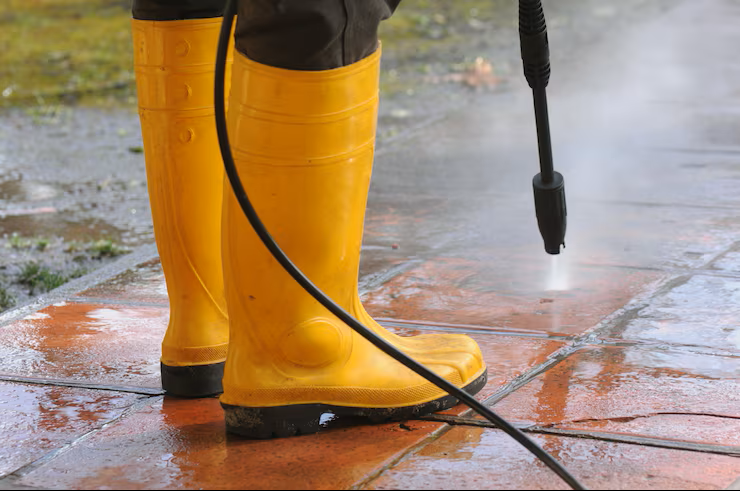
Cleaning with high pressure.
Pressure cleaning uses a concentrated stream of water to remove dirt, grime, algae and other deposits from suitable surfaces. When the pressure, nozzle, spray distance and cleaning method match the material, the process can refresh outdoor areas without unnecessary damage.
Pressure Cleaning Services should never treat every surface the same way. Sound concrete can often withstand more pressure than weathered timber, painted render or delicate masonry. Even two driveways made from similar materials may need different settings if one is relatively new and the other has cracks, loose sections or a deteriorating finish.
A professional assessment helps identify the surface, the contamination and the safest cleaning method. Sometimes that means controlled pressure, a suitable cleaning solution or soft washing instead of a powerful water jet.
1. Concrete Driveways and Paths
Concrete is one of the most suitable materials for pressure washing when it is structurally sound. Driveways, footpaths, garage entrances and outdoor entertaining areas collect tyre marks, dust, mud, oil stains and organic growth. These deposits can leave the surface looking tired even when the concrete remains in good condition.
Pressure Cleaning Services can help remove accumulated grime from suitable driveways and paths, improving the appearance of frequently used outdoor areas. Concrete pressure cleaning can also lift dirt from textured finishes that are difficult to clean with an ordinary garden hose.
However, concrete is not indestructible. Older slabs, exposed aggregate, cracked sections and surfaces with a weak finish can suffer damage if the operator uses excessive pressure or holds the nozzle too close. Oil stains may also require targeted treatment rather than simply blasting the area with water.
For driveway pressure cleaning Mount Gambier homeowners are considering, an initial inspection is important. The aim is to remove contamination while preserving the concrete’s finish and avoiding unnecessary erosion.
2. Brick Walls and Masonry
Brickwork can look fantastic for decades, but weathering, dust, algae and general pollution gradually dull its appearance. Cleaning may help refresh garden walls, suitable exterior brickwork and other exposed masonry around residential or commercial properties.
The catch is that brick and mortar vary considerably in strength. Older masonry may have crumbling joints, loose mortar or a porous surface that absorbs water. A strong water jet can damage the mortar, force moisture into the wall or worsen existing defects.
Pressure Cleaning Services should therefore begin with an assessment of the masonry and a test on a discreet section. Lower pressure may be appropriate for sound brickwork, while fragile or deteriorating surfaces may require a gentler method.
If the wall has historic detailing, damaged mortar or an uncertain coating, seek specialist advice before cleaning. A brighter brick surface is not worth compromising the structure underneath.
3. Concrete Pavers and Outdoor Tiles
Paved patios, garden paths and entertaining areas often accumulate dirt in their textured surfaces and joints. Moss and algae can also develop in shaded or damp spots, making some outdoor areas slippery.
Pressure Cleaning Services can be suitable for durable pavers and exterior tiles, provided the operator adjusts the technique to the material. Strong, well-installed concrete pavers may tolerate more pressure than natural stone, decorative tiles or older paving with loose joints.
Jointing sand deserves particular attention. An overly aggressive clean can remove it, destabilise the pavers and leave the surface uneven. Natural stone may also be scratched, etched or discoloured by an unsuitable combination of pressure and cleaning chemicals.
Patio pressure cleaning should focus on restoring the surface without disturbing the structure beneath it. A test patch and controlled technique can help determine the right approach before the entire area is cleaned.
4. Timber Decking and Fences
Timber requires a much lighter touch than concrete. Decking, fences, pergolas and outdoor timber features can collect dirt, mildew and weather-related staining, but high pressure can damage the wood fibres.
A powerful jet may leave grooves, rough patches and splintering. It can also strip away paint, stain or protective coatings that are still in reasonable condition. Soft or weathered timber is particularly vulnerable.
Pressure Cleaning Services are not always the best option for timber. Depending on the wood, condition and coating, a low-pressure wash, suitable timber cleaner and gentle brushing may deliver a better result.
If you are planning to stain or seal a deck afterwards, the cleaning method matters even more. Damaged fibres can create an uneven finish, and timber must dry adequately before many protective coatings are applied.
5. Painted Walls and Rendered Exteriors
Exterior walls collect dust, cobwebs, pollution, mould and other organic growth. Cleaning can improve the appearance of painted weatherboards, suitable masonry and rendered walls, but the condition of the coating should determine the approach.
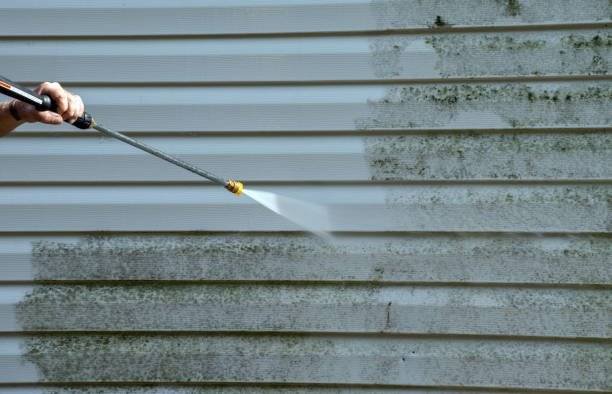
High pressure can peel paint, force water behind cladding, damage render or expose vulnerable areas around windows and doors. Loose paint and existing cracks increase the risk.
For many painted or rendered surfaces, soft washing is a better option. This method uses lower water pressure, often combined with an appropriate cleaning solution, to loosen contamination without relying on a forceful jet.
Pressure Cleaning Services should account for the age of the paint, the condition of the underlying material and nearby electrical fittings. If the coating is already failing, cleaning may reveal the problem rather than solve it. Repairs or repainting might be necessary first.
6. Roofs and Gutters
Roofs are another area where choosing the wrong cleaning method can be costly. Roof tiles, metal sheets, painted roofing and protective coatings all have different limitations. A high-pressure jet can dislodge tiles, damage coatings, force water beneath roofing materials or affect vulnerable seals.
Roof cleaning therefore requires more than a powerful machine. The operator needs to understand the roof material, its condition, drainage arrangements and safe access requirements.
Soft washing or another low-pressure method may be more appropriate for certain roofs, depending on the contamination and manufacturer’s guidance. Gutters may also need separate cleaning to remove leaves, sediment and other debris.
Never assume that because a roof looks dirty, it needs pressure washing. A professional assessment can help determine whether cleaning is appropriate and which method carries the least risk.
7. Outdoor Furniture and Plastic Surfaces
Outdoor furniture, plastic chairs, suitable storage units and some robust garden fixtures can often be cleaned with controlled water pressure. Dirt, dust and weather-related grime can make these items look older than they are.
However, thinner plastics can crack under force, while painted furniture and coated metal may lose their finish. Cushions, delicate joints and electrical components should not be exposed to high-pressure water.
For many household items, ordinary washing with a soft brush and mild detergent is sufficient. Pressure Cleaning Services are most useful when the material is compatible with the method and the contamination is difficult to remove through gentler cleaning.
The principle is straightforward: use the least aggressive method that achieves the required result.
8. Garage Floors and Commercial Concrete Areas
Garages, workshops, loading areas and commercial entrances often experience heavier contamination than residential patios. Tyre marks, mud, grease and general foot traffic can build up quickly, particularly where vehicles or equipment regularly pass through.
Commercial pressure cleaning services Mount Gambier businesses consider can help maintain suitable concrete floors and external paved areas. However, grease and oil frequently require a compatible degreaser or specialist treatment before rinsing.
Safety matters here. Wet floors can become slippery, and water may spread contaminants into nearby drains or storage areas. Electrical equipment, machinery and stock should be protected before work begins.
For commercial pressure cleaning services, the job should be planned around the surface, contamination, pedestrian access and business operations. Depending on the site, cleaning outside trading hours may help reduce disruption.
Surface Comparison: Which Cleaning Method Is Best?
Different materials need different levels of care. The following table provides a general guide, not a substitute for inspecting the actual surface.
| Surface | Generally suitable approach | Main risk to avoid |
| Sound concrete | Controlled pressure washing | Surface erosion and damaged edges |
| Brick and masonry | Test patch and moderate or low pressure | Mortar damage and water penetration |
| Concrete pavers | Controlled pressure with care around joints | Removing jointing sand |
| Timber decking | Low pressure or gentle washing | Splintering and damaged fibres |
| Painted walls | Soft washing or low pressure | Peeling paint and water ingress |
| Roofs | Material-specific, often low-pressure cleaning | Damaged tiles, coatings and seals |
| Outdoor furniture | Gentle washing or low pressure | Cracking, scratches and coating damage |
| Natural stone | Material-specific cleaning and testing | Etching, discolouration and surface damage |
How Safe Pressure Washing Techniques Protect Your Property
The safest cleaning approach begins before the machine is switched on. A surface inspection helps identify cracks, loose coatings, damaged joints, ageing materials and areas where water could enter the building.
The operator can then select an appropriate nozzle, pressure setting, spray distance and cleaning solution. Testing a discreet section first helps reveal whether the method is too aggressive or likely to change the surface finish.
Safe pressure washing techniques also include protecting nearby plants, electrical fittings, windows and delicate objects. Water should never be directed towards people, pets or vulnerable building openings. High-pressure water can injure skin and cause serious harm, even when the spray looks harmless.
When a surface is fragile, the correct decision may be to avoid pressure washing altogether. Pressure Cleaning Services work best when the method is selected for the material, rather than using the strongest setting available.
What About Soft Washing Services in Mount Gambier?
Soft washing is a cleaning approach that relies on lower-pressure water, often alongside an appropriate cleaning solution, to loosen and remove contamination. It can be useful for selected painted exteriors, some roofs and other surfaces where strong pressure could cause damage.
Soft washing services Mount Gambier property owners consider should still be tailored to the material. Cleaning products must be suitable for the surface, applied according to their directions and managed carefully around plants, pets and drainage areas.
Lower pressure does not mean zero risk. An unsuitable chemical can discolour a finish, damage vegetation or affect nearby materials. Rinsing and runoff management remain important.
The best choice between soft washing and pressure washing depends on what is being cleaned, what has accumulated on it and how the surface is likely to respond.
Environmental Considerations for Outdoor Surface Cleaning
Outdoor cleaning can send more than water down the drain. Dirt, oil, detergents, paint residue and other contaminants may travel with runoff into the stormwater system.
South Australian environmental guidance explains that stormwater can carry pollutants into waterways and that wash-down water and cleaning pollutants must be managed appropriately. Read the South Australian guidance on stormwater pollution before planning outdoor cleaning that may generate contaminated runoff.
This is particularly important when cleaning greasy driveways, commercial areas or surfaces treated with chemicals. The wastewater may need to be contained and managed appropriately rather than allowed to flow into the street gutter.
Responsible Pressure Cleaning Services consider water use, cleaning products, runoff and the surrounding environment as part of the job. A clean driveway should not come at the expense of local waterways.
When Should You Hire Professional Pressure Cleaners in Mount Gambier?
DIY pressure washing can work for straightforward jobs when you have suitable equipment and understand the surface. But larger areas, stubborn stains, delicate materials and difficult access can make professional help worthwhile.
Professional pressure cleaners Mount Gambier residents look for should be able to explain how they will clean the surface, which method they recommend and what risks they have identified. Ask whether the quote includes pre-treatment, rinsing, protection of nearby areas and management of wastewater where required.
A local pressure cleaning company should also be clear about its service scope. Hour People provides Pressure cleaning services for different property needs across Mount Gambier and the Limestone Coast; confirm directly which outdoor cleaning tasks are available for your particular property. You can explore its cleaning services before discussing your requirements.
Conclusion
Pressure Cleaning Services can refresh concrete driveways, suitable brickwork, pavers, garage floors and other durable outdoor surfaces, but the safest method depends on the material and its condition. Timber, painted walls, roofs and delicate finishes often require a gentler approach, while soft washing can help clean surfaces that should not be exposed to strong pressure. Good preparation, appropriate equipment and responsible runoff management help protect your property and the surrounding environment.
If your Mount Gambier home or business needs a cleaning plan tailored to its surfaces, speak with Hour People about the work you have in mind and confirm which outdoor cleaning options are available. To discuss your requirements, contact Hour People and take the next step towards a cleaner, better-maintained property.
FAQs
1. Can pressure cleaning services clean every outdoor surface?
No. Pressure cleaning suits many durable materials, including sound concrete and certain pavers, but delicate timber, deteriorating brickwork, painted surfaces and some roofs may need lower pressure or an alternative method. The material, its condition and the type of contamination should guide the decision.
2. Is pressure washing safe for concrete driveways?
It can be, provided the concrete is in suitable condition and the operator uses appropriate pressure, nozzle selection and spray distance. Cracked, ageing or weak concrete may be damaged by an aggressive jet, while oil stains may need a separate treatment.
3. Can pressure cleaning damage house paint?
Yes. Excessive pressure can peel paint, damage render or force water behind cladding and around windows. A low-pressure approach or soft washing may be more appropriate for many painted exteriors, particularly where the coating is ageing.
4. Is soft washing better than pressure washing?
Neither method is automatically better. Pressure washing can be effective on suitable hard surfaces, while soft washing may be preferable for delicate materials and certain organic growth. The correct method depends on the surface, the contamination and the manufacturer’s recommendations.
5. How often should outdoor surfaces be pressure cleaned?
There is no universal schedule. Driveways and busy commercial entrances may need attention more frequently than sheltered patios or lightly used paths. Local conditions, shade, moisture, traffic and the surface material all influence how quickly grime returns.
6. What should I check before booking a pressure cleaning service?
Ask which surfaces the provider can clean, what method they intend to use, whether they inspect for existing damage and how they manage cleaning products and runoff. Confirm the scope of work and price before the job starts, particularly if the property includes fragile materials or difficult access.